Home › Asphalt Milling and Reclamation
Prepare your site for long lasting pavement with asphalt milling in Austin, TX. We remove worn asphalt to precise depths, recycle materials when possible, and create a stable base for overlays. For severely failed pavements, we also offer full depth reclamation that blends asphalt and base to build a stronger foundation.
Precision Asphalt Austin provides professional asphalt milling throughout Austin, TX, Texas and the surrounding area. Our licensed, insured crew delivers safe, clean, on-time work with a free estimate before anything begins. Call (737) 530-7711 or request your free quote.
Asphalt Milling for Austin Properties: What It Really Involves
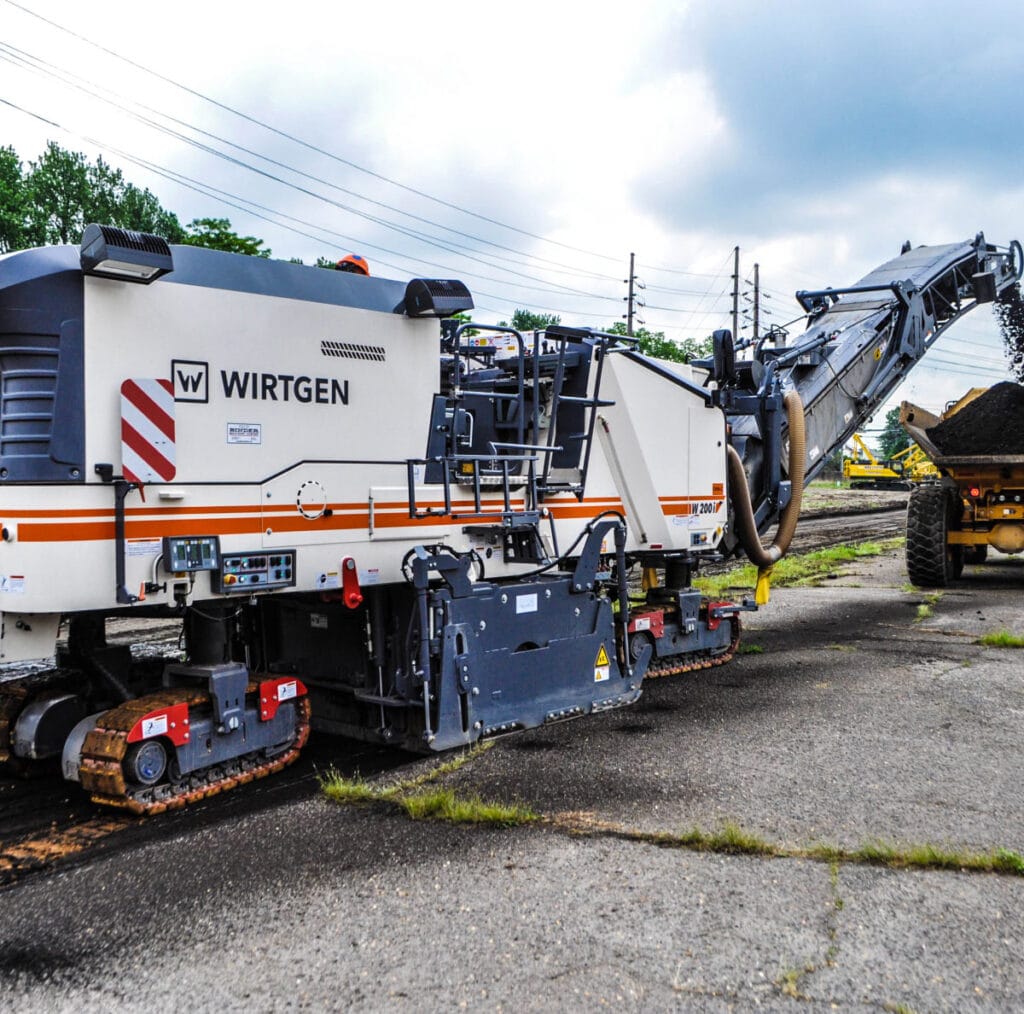
Asphalt milling is the process of grinding off a controlled depth of your existing asphalt so it can be repaired and resurfaced without tearing everything out. At Precision Asphalt Austin, we use tracked cold milling machines that shave the pavement in precise layers, usually between 1 and 3 inches at a time, depending on the condition and the final design grade.
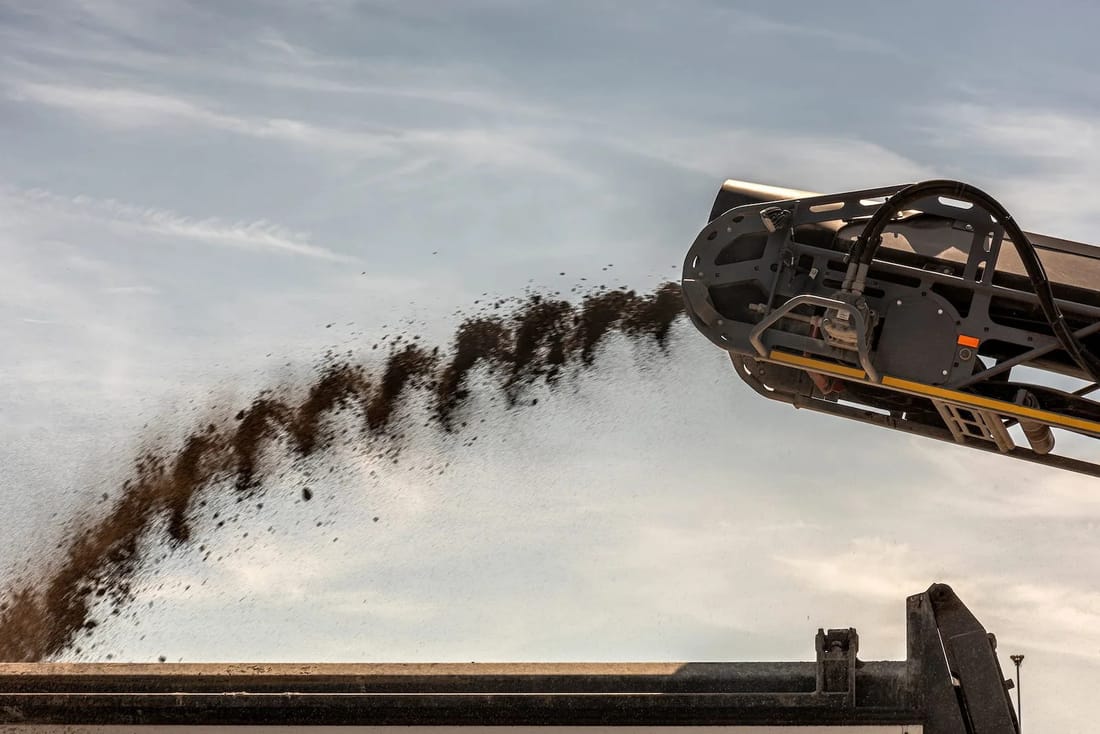
On a typical Austin parking lot or neighborhood street, we start by marking drainage patterns, utility covers, and any high or low spots. That lets us mill deeper where water pools and shallower near transitions to concrete drives, ADA ramps, and garage entrances. The milling drum uses carbide teeth to grind the asphalt, and the built-in conveyor loads the milled material straight into dump trucks for recycling.
After milling, we sweep the surface with mechanical and vacuum sweepers until the remaining base and milled texture are clean and tight. This milled surface provides excellent grip for the new asphalt overlay, which helps it bond mechanically as well as with tack coat. The entire approach allows you to solve structural and drainage problems without paying for a full-depth pavement replacement across your property.
Full-Depth Reclamation vs Milling: Choosing the Right Fix
Asphalt milling and full-depth reclamation are related, but they are not the same service. Milling removes the surface of the asphalt and leaves the existing base mostly intact. Full-depth reclamation pulverizes the asphalt and a portion of the base together, then reuses that blend as a new stabilized base layer.
On older Austin sites, especially 1970s and 1980s commercial centers with multiple overlay layers, we often find that the base is pumping water or has softened clay pockets underneath. In those cases, reclamation is usually the better long-term fix. We use a reclaimer to grind the asphalt and base together to a depth that can range from 6 to 12 inches, depending on traffic loading. Then we shape, compact, and in some cases stabilize that material with cement or other additives.
Where the base is still sound, like many newer subdivision streets in North and South Austin, milling plus overlay is more cost effective and faster. Precision Asphalt Austin walks the site with you first, cores the pavement when needed, and explains clearly whether you need milling only, milling with spot base repair, or full-depth reclamation. The goal is not to upsell, but to match the repair method to the actual failure pattern of your pavement.
Step-by-Step Process: From Evaluation to New Surface
Every asphalt milling and reclamation project in Austin starts with a site evaluation. We look at cracking patterns, rutting, potholes, and drainage. Alligator cracking and widespread depressions usually tell us there is a base problem. Longitudinal cracks or a brittle surface often mean the top asphalt lift is the main issue. We also check for edge failures near curbs and concrete flumes, which are common around older multifamily complexes and small office parks.
Once we know what we are dealing with, we design a milling or reclamation plan. For milling, the steps are: adjust existing utility covers, set mill depth based on elevations, perform a test cut, then mill the full area in passes. We maintain a consistent texture, avoid leaving ridges, and immediately haul milled material off site or to a local recycle yard. We then sweep and blow the surface, apply tack coat, and install the new hot-mix asphalt lift, followed by rolling with steel and pneumatic rollers to lock in density.
For reclamation, the steps expand. We pulverize asphalt and base to the designed depth, moisture-condition the blend, grade it to the proper slope, then compact it in multiple passes until it hits target density. After proof-rolling to confirm stability, we place fresh asphalt over the reclaimed base. Precision Asphalt Austin coordinates traffic control, sectioning off work areas to keep access open for tenants and customers as much as possible, which is particularly important at active retail centers and medical offices.
Local Conditions in Austin That Affect Your Pavement
Austin pavement lives in a tough environment. We deal with expansive clay soils in many neighborhoods, like parts of East Austin, combined with short, intense storm events that create standing water. Those conditions push and pull on your asphalt, so milling and reclamation must be planned with soil and drainage in mind, not just surface appearance.
In older Central Austin properties, it is common to see multiple asphalt overlays stacked on top of each other, sometimes bridging over settled spots and buried patches. Milling lets us cut through those layers, reestablish correct elevations at transitions to alley drives, city streets, or warehouse entrances, and restore proper cross slope so water runs to inlets instead of back toward buildings.
We also factor in heavy traffic patterns. For a South Austin distribution yard with constant truck traffic, we typically recommend a deeper mill and the use of a stronger mix for the new surface, or reclamation with stabilization to stiffen the base. For residential HOA streets in places like Circle C or Steiner Ranch, lighter traffic allows different designs and helps control costs. Precision Asphalt Austin uses local TxDOT-approved mixes and designs thicknesses that reflect the actual vehicles using your pavement, not a generic standard.
Cost Drivers, Options, and How to Control Your Budget
The cost of asphalt milling and reclamation in Austin is driven mainly by three things: depth, area, and what we find underneath. Deeper milling means more machine time and more material to haul off. Larger areas benefit from economy of scale, which can bring your per-square-foot cost down. Unexpected base failures or hidden overlays that are much thicker than expected can add cost if you are not prepared.
To keep surprises down, Precision Asphalt Austin recommends a basic pre-job investigation for larger or high-traffic projects. That may include a few test cores and some probing of soft spots. If we find weak base areas, we can price them as alternates, so you know up front how much it will cost if we encounter them during milling or reclamation.
You also have options in mix selection and final lift thickness. In some cases, we can mill less, place a leveling course to correct rough spots, then add a thinner surface lift instead of one thick overlay. For parking lots, we discuss whether you want to improve striping layout, driving lanes, and ADA compliance at the same time, so transitions and slopes are planned before milling starts. Handling these details upfront usually saves money compared to coming back later to adjust grades or rework ramps.
Common Problems and How Precision Asphalt Austin Handles Them
Certain issues come up repeatedly on Austin milling and reclamation jobs, and how your contractor handles them determines how long your new pavement will last. One common problem is uncovering a weak or saturated base layer after the first milling pass. Instead of just paving back over it, we cut out those areas, recompact or replace the base, and only then proceed with overlay. Ignoring those spots is one of the main reasons new overlays fail early.
Another frequent issue is drainage that was never right in the first place. We see this often on small commercial centers and older apartment complexes that were built before stricter drainage standards. During milling, we intentionally adjust depths at low and high points to flatten birdbaths and direct water to inlets or street gutters. Sometimes we will recommend minor concrete work at valley gutters or the addition of trench drains, so that the asphalt fix is not working against poor water management.
Access and scheduling are also critical. For live sites in Austin, Precision Asphalt Austin typically phases milling and paving so that each section is milled, cleaned, and overlaid within a short window. That reduces liability from rough milled surfaces, avoids trapping tenants without parking, and protects the exposed base from unexpected storms. We communicate clearly with property managers, HOAs, and facility teams so everyone knows which areas will be closed and when they will reopen, keeping the project efficient while minimizing disruption.