Home › Commercial Gravel-to-Asphalt Conversions
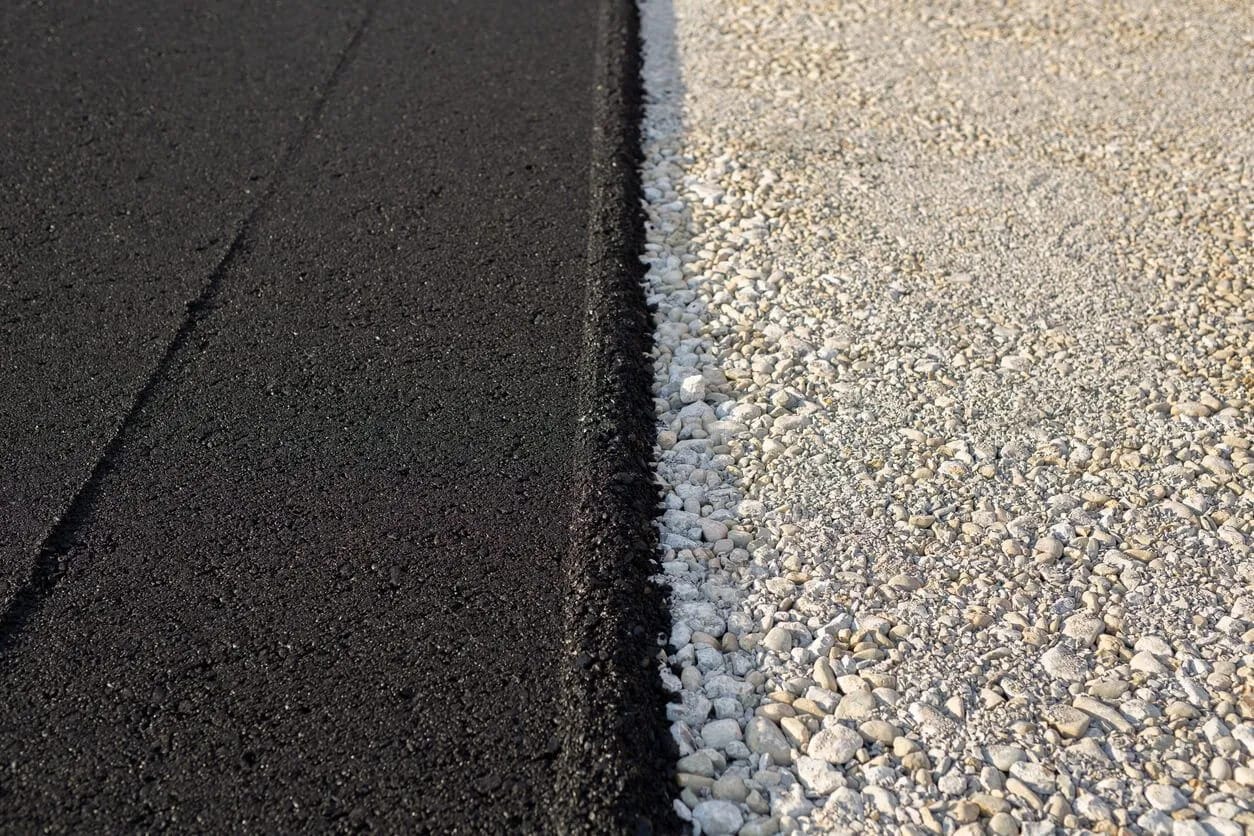
Upgrade your property with commercial gravel to asphalt conversions in Austin, TX. We transform dusty, uneven gravel lots and drives into clean, durable asphalt surfaces for businesses, churches, and industrial sites. Our team evaluates your base, improves drainage, and paves a smooth surface that is easier to maintain and more welcoming for customers.
Precision Asphalt Austin provides professional commercial gravel to asphalt throughout Austin, TX, Texas and the surrounding area. Our licensed, insured crew delivers safe, clean, on-time work with a free estimate before anything begins. Call (737) 530-7711 or request your free quote.
Turn Your Gravel Lot Into a Durable Asphalt Surface
If you are running a business in Austin and you are tired of dust, ruts, and standing water in your gravel lot, a commercial gravel to asphalt conversion can be a smart investment. Precision Asphalt Austin focuses on converting existing gravel driveways, parking lots, and service lanes into smooth, lined asphalt surfaces that handle daily traffic and Central Texas weather.
Our approach is practical. First, we look at how your property is actually used. We walk the lot, count access points, look at turning movements for trucks or delivery vehicles, and note where customers and employees park most often. This helps us design pavement thickness, drainage, and striping that match real traffic instead of guessing. For many small to mid-sized Austin businesses, the right conversion gives you better curb appeal, cleaner interiors with less dust tracked inside, and safer access for customers in rain.
Because Austin soils can vary from hard caliche to soft, expansive clay in the same property, there is no one-size-fits-all approach. Precision Asphalt Austin tests and probes the subgrade under your gravel, looks for pumping or soft spots after rain, and tailors the build-up to your specific site. This attention to the base is what separates a surface that lasts 15 to 20 years from one that develops potholes in a couple of seasons.
How Commercial Gravel to Asphalt Conversions Actually Work
A proper commercial gravel to asphalt job is more than just paving over what you have. The first step is evaluation. We look at existing gravel depth, identify low areas where water sits, and mark out any utilities, inlets, or cleanout covers. In Austin, we also check how your lot drains toward the street or toward existing storm inlets so we do not accidentally push runoff onto a neighbor.
Next comes grading and base work. We cut and regrade the gravel to establish proper slopes, typically at least a 1 to 2 percent fall toward drains or edges, to keep water moving off the asphalt. If your existing gravel is thin or contaminated with a lot of clay, we haul in new road base, compact it in layers with vibratory rollers, and proof-roll the entire area. Any sections that deflect or shudder under the roller are dug out and rebuilt. This is the step that keeps wheel ruts and potholes from forming later.
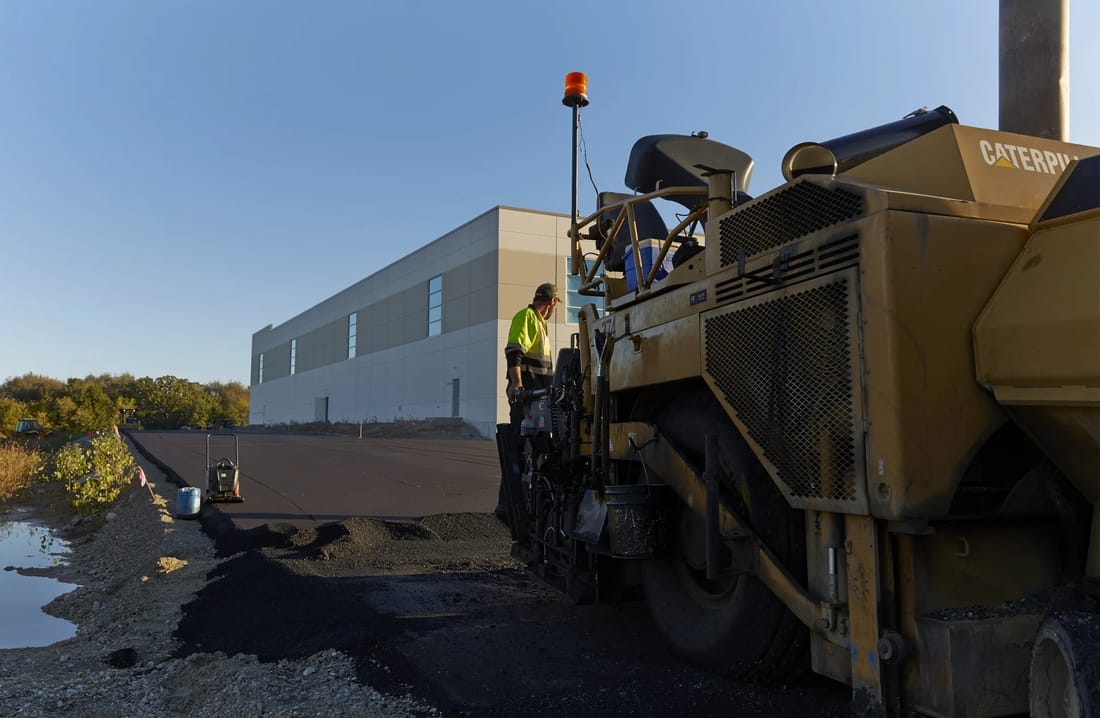
Once the base is tight and at final grade, we add edge support if needed. On many Austin commercial sites, that means concrete ribbon curbs, thickened asphalt edges, or tied-in concrete approaches at drive entrances to handle turning and braking forces from heavier vehicles. Then we apply a tack coat to bond the asphalt to the prepared base and install hot mix asphalt at the specified thickness, usually in one or two lifts depending on traffic loads. The mat is laid with a paver for consistent thickness, then compacted with steel drum and pneumatic rollers while the mix is still at the right temperature.
After the asphalt cools, we handle finishing items: restriping parking stalls to meet your layout and ADA requirements, marking fire lanes as required by Austin Fire, installing wheel stops if needed, and tying in sidewalks and ramps. By the time we are done, your former gravel lot functions like a finished commercial parking area, with lined spaces, accessible routes, and defined traffic flow.
Design Choices, Thickness, and Materials for Austin Conditions
Not every commercial gravel to asphalt project needs the same pavement build-up. Precision Asphalt Austin tailors thickness and mix design to how your lot will be used and what sits underneath it.
For office or retail parking where most vehicles are cars and light trucks, we often recommend 2.5 to 3 inches of hot mix asphalt over a well-compacted crushed limestone base. For heavier use, like delivery yards, dumpsters, or frequent 18-wheeler access, we may step up to 4 to 6 inches of asphalt, or use a thicker base with a stronger surface mix in the drive lanes and loading areas. This targeted approach saves money by not overbuilding the entire lot when only certain lanes see heavy loads.
Austin heat can be hard on asphalt. We work with local suppliers to use mixes that resist rutting in high summer temperatures but still compact properly in our typical paving season. In shaded, low-traffic areas we might use a slightly different mix than in sun-baked main drive aisles. We also factor in the city’s occasional freeze events, and where drainage is not ideal, we may add underdrains or stabilize soft subgrade with lime or cement treatment so the pavement is less likely to flex and crack when soils swell.
You will also have choices in layout and markings once the asphalt is down. We help adjust stall counts, widen drive lanes where drivers are currently cutting corners, and relocate accessible spaces closer to main entries when practical. Many Austin properties that started with gravel grew in a piece-by-piece way. A conversion is a chance to redesign traffic patterns so delivery trucks are not crossing pedestrian paths and customer parking is clearly separated from service areas.
What Affects Cost and Schedule for Gravel to Asphalt Work
Commercial gravel to asphalt conversions in Austin are driven by more than square footage. Before you compare prices, it helps to understand what really affects cost.
The biggest single factor is base condition. If your gravel lot has deep, clean base material and drains well, we may only need minor grading and touch-up before paving. If water has been ponding for years, or trucks have created deep ruts, we may need to undercut soft areas, import new base, or even install drainage improvements. That adds material, labor, and equipment time, but it also keeps you from paying twice for a surface that fails early.
Access and phasing matter too. On active businesses, Precision Asphalt Austin often stages the work so you can stay open. We might convert half the lot at a time, set up temporary parking, and work off-hours for tie-ins at entrances. This type of phasing can take an extra day or two compared to closing the whole lot, but it keeps your operation running. For sites with tight access or shared drives, coordination with neighbors or property management may be needed, which we help organize.
Other cost drivers include required concrete work for curbs or approaches, any drainage structures that must be added or modified, and the level of striping and signage you choose. If you need new ADA ramps, detectable warning panels, or specific fire lane markings to satisfy local codes or lenders, we can build those into the plan from the start so they are not surprise change orders later.
As for schedule, many commercial gravel to asphalt conversions can be completed in 2 to 5 working days once we start, depending on size and complexity. Weather is the main variable. In Central Texas, we watch forecasts closely and avoid paving when heavy rain or unusually cold fronts are expected, so your new asphalt cures and compacts correctly.
What Austin Businesses Should Know Before Hiring a Paving Contractor
Before you commit to a commercial gravel to asphalt conversion, there are a few things every Austin business owner should look at. First, confirm that your contractor is experienced with conversions, not just new construction. Converting an existing gravel lot involves diagnosing hidden problems like soft subgrade, buried debris, or poor drainage routes. Precision Asphalt Austin includes these checks in our site visit, and we explain what we find in plain terms before you sign.
Second, ask for a clear description of the section design. That means how many inches of asphalt, what type of base, and what the compaction goals are. If a proposal just says "2 inch asphalt over existing gravel" with no mention of grading or base conditioning, you may be paying for a surface that will not last on Central Texas soils. Our proposals list thicknesses, base treatment, and any stabilization we recommend, so you know what you are buying.
Third, consider how the work will affect your customers and operations. We help you plan temporary signage, alternate parking, and safe pedestrian routes while construction is underway. For retail and medical offices, we often perform the noisiest work early in the day, keep at least one entrance open whenever possible, and schedule striping in off-peak hours so fresh paint has time to dry.
Finally, think about long-term maintenance from the start. A commercial gravel to asphalt project does not end when the rollers leave. We advise you on when to schedule your first sealcoat, how to manage drainage so inlets stay clear, and what kind of traffic loads your new pavement is designed to handle. If your operations change, for example you start receiving heavier trucks, Precision Asphalt Austin can help you plan add-on strengthening in key lanes before damage spreads. This practical, long-view approach is what makes a gravel to asphalt conversion hold up in Austin’s real-world conditions.