Home › Private Road and Lane Paving
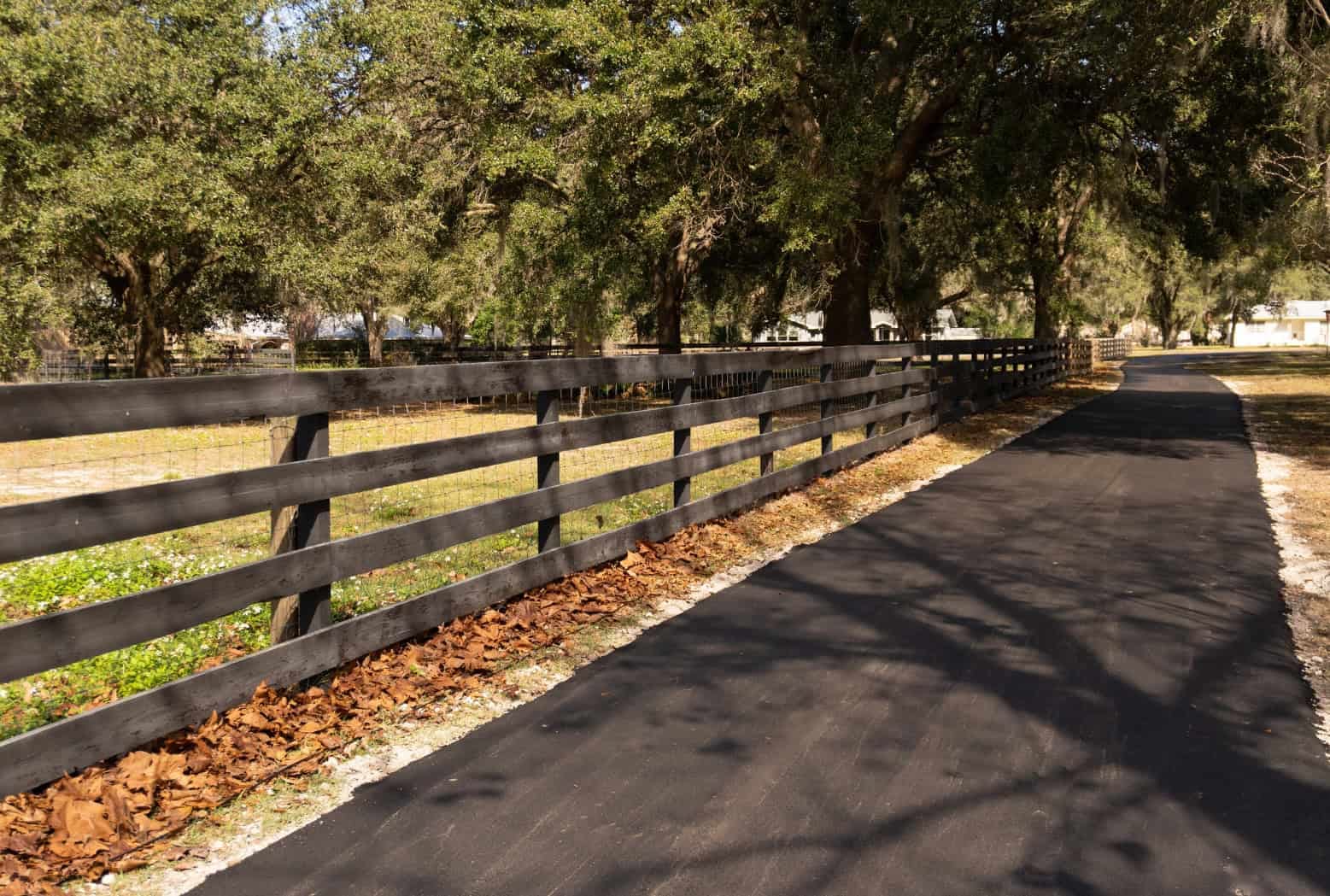
Improve access to your property with professional private road paving in Austin, TX. We build and resurface asphalt lanes for long driveways, easements, and shared roads that stand up to daily traffic. From grading and drainage to compaction and striping if needed, we deliver smooth, reliable asphalt surfaces for residential properties and small communities.
Precision Asphalt Austin provides professional private road paving throughout Austin, TX, Texas and the surrounding area. Our licensed, insured crew delivers safe, clean, on-time work with a free estimate before anything begins. Call (737) 530-7711 or request your free quote.
Private Road Paving in Austin That Holds Up To Texas Traffic
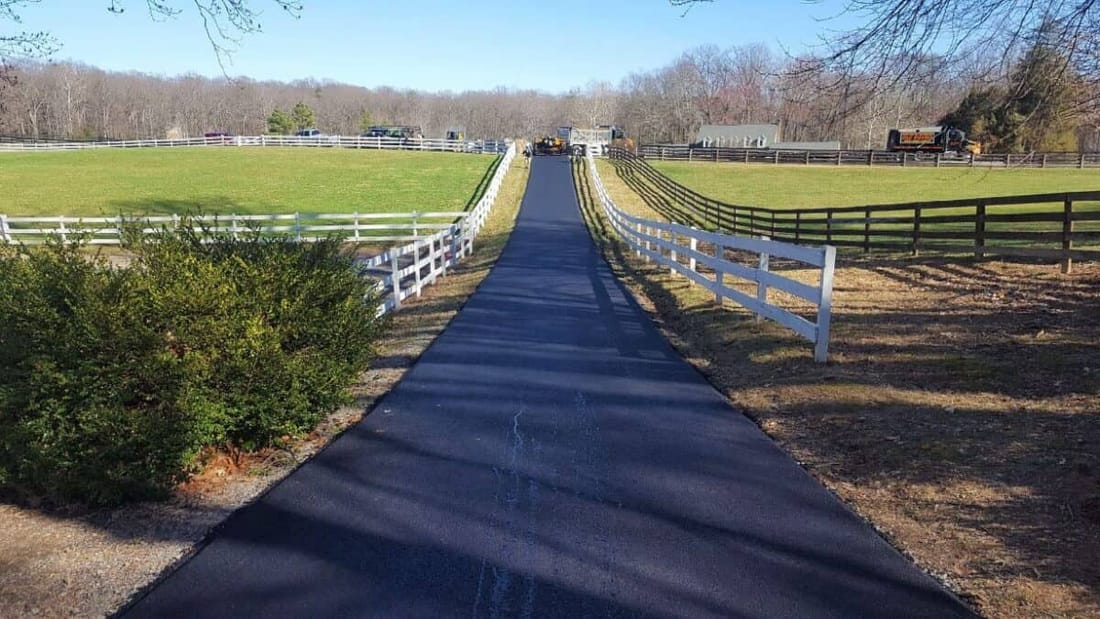
If your home, ranch, or small community in the Austin area is reached by a private road, you already know how fast ruts and dust can turn a short drive into a daily headache. Precision Asphalt Austin focuses on private road and lane paving that is tailored to Central Texas soils and traffic so you get a smooth surface that actually lasts.
We start by asking how the road is used. Is it a light residential driveway road with a handful of cars per day, a shared lane for a small HOA, or a ranch road that regularly sees trailers and delivery trucks? The design for each is different. Heavier traffic and frequent braking or turning need a thicker asphalt section and stronger base than a quiet lane that only sees a few sedans.
Central Texas weather puts extra stress on private roads. Long stretches of heat soften asphalt, then sudden thunderstorms send water running across the surface. We plan slopes and drainage for those conditions, so water sheds off your road instead of carving channels through it. When you call Precision Asphalt Austin, you are not getting a generic “blacktop” job, you are getting a road built for Austin’s clay and limestone soils and our hot, stormy summers.
How We Build a Private Asphalt Road or Lane
Once you approve the plan and price, we schedule work around the forecast. In Austin, the best window for private road paving is usually fall through spring on dry days, but we can work in summer as long as surface temps and timing are right so the mat compacts properly.
Step 1 is layout and clearing. We mark the exact alignment of the road or lane, then remove grass, brush, and topsoil. For new ranch or acreage roads, this might mean selective tree removal and grading to gently follow the land rather than fighting steep slopes.
Step 2 is subgrade preparation. We cut the road to design elevation, then compact the native soil with a vibratory roller. If we hit soft spots or expansive clay pockets, we may undercut and replace that soil with a select fill or use a stabilization method like adding lime or cement to stiffen the base. This step is critical in the Austin area because weak subgrade is the main reason private roads crack and rut early.
Step 3 is base installation. Most private roads we build use a flexible crushed limestone base or a recycled asphalt base. We place it in one or more lifts, each compacted to a specific density. Thicker base is used for roads that carry heavy pickups, service trucks, or horse trailers.
Step 4 is asphalt paving. We typically lay a hot mix asphalt surface using a paver for a consistent thickness and smoothness. For short lanes or tight spaces, we may hand-place and compact with smaller rollers and plate compactors. Average residential private roads around Austin get 2 to 3 inches of asphalt in one or two lifts. Heavier traffic may need 3 to 4 inches.
Step 5 is final compaction and detail work. Our crew checks joints, edges, and transitions to driveways or garages. We feather edges so you do not feel a bump pulling onto the county road, and we make sure water flows where it should, not back toward your home or barn.
Material and Design Options for Your Private Road
Not every private road needs the same asphalt mix or structure. Precision Asphalt Austin walks you through options so you get the right balance of durability and cost.
Asphalt type: For most private roads around Austin, a dense graded hot mix is ideal. It is smooth, quiet, and strong enough for typical residential vehicles. On steeper ranch roads where traction matters, we may recommend a slightly coarser surface mix so tires grip better when it is wet. If you expect frequent heavy trucks, we can bump the mix up to a higher performance grade binder that resists rutting in our high summer temperatures.
Base choices: Crushed limestone base is common in Central Texas and works very well on our soils if it is compacted correctly. Recycled asphalt base is another option that can control dust during construction and provide a very tight platform. For low budget, light use lanes, we sometimes combine a stabilized gravel base with a thinner asphalt cap, as long as traffic loads make sense for that design.
Width and layout: For a single lane private road in Austin, 10 to 12 feet wide is usually adequate. For shared HOA roads or two way traffic with delivery trucks, 16 to 20 feet is more comfortable and safer. We also look at curves and grades. Tight curves may need a bit more pavement width to avoid edge breakup where vehicles cut corners.
Drainage details: Side ditches, shallow swales, and driveway culverts matter as much as the asphalt itself. If water crosses a private road frequently, we may add a slight crown in the center so rain sheds both ways, or use cross slopes to send water into a planned ditch. These are small design details that have a big impact on how long your private road will last in the Austin climate.
What Affects Cost for Private Road Paving in Austin
Two private roads the same length can have very different price tags. When Precision Asphalt Austin prepares an estimate, we walk your site and explain the main cost drivers so you understand where your money is going.
Access and length: Longer roads generally get a better cost per foot, because mobilizing equipment and crew is a big fixed cost. Very short lanes or roads through tight gates or low trees can take more time to access and maneuver, which increases labor and equipment time.
Site conditions: Steep slopes, heavy tree clearing, or very rocky ground will add to preparation costs. On the flip side, an open, relatively flat path with decent existing access is more straightforward to build. In many Austin properties we see deep ruts from years of driving on bare soil. Fixing those ruts means scarifying and regrading the entire path, not just filling the holes, so the whole section drains and compacts properly.
Thickness and structure: More base and more asphalt mean higher cost, but also longer life and better performance. We will usually present at least two options, for example a standard section suitable for typical light residential traffic and an upgraded section rated for frequent large trucks. This lets you decide how much you want to invest now versus the maintenance you are willing to accept later.
Timing and phasing: If you have a long private road, we can sometimes phase the work, paving the most critical sections first and leaving future areas prepared with base. Scheduling outside peak rainy periods can also reduce weather delays, which helps keep costs predictable.
Common Private Road Problems and How We Prevent Them
Most of the issues we are called to fix on existing private roads in Austin could have been avoided with better design and prep. Precision Asphalt Austin focuses on those details from day one.
Rutting and potholes often come from a weak base or trapped water. We combat this by compacting the subgrade, using enough base thickness, and shaping the road so water never sits in wheel paths. On repairs, we do not just fill potholes. We saw cut or mill out failed areas, rebuild the base, then install new asphalt that ties into the surrounding pavement.
Edge cracking is common on narrow lanes where drivers hug the side or where the road meets soft shoulders. We prevent this by compacting the shoulder material snug against the asphalt edge and, when appropriate, adding a slight edge thickening or reinforcing the base out past the pavement line. On higher use private roads, we may recommend a wider paved surface so vehicles do not constantly ride the very edge.
Fading and surface wear from the intense Austin sun are inevitable over time, but they can be slowed. After a couple of years of service, many private roads benefit from a sealcoat to protect the asphalt from oxidation. We can include a simple maintenance plan in your project, so you know when to budget for sealing and minor crack filling.
Before you hire any contractor for private road paving, ask how they handle drainage, what base thickness they recommend for your traffic, and whether they compact in measured lifts instead of just “rolling it a few times.” If you would like those answers in plain language on site, Precision Asphalt Austin is happy to walk your road, explain what we see, and give you a clear, written plan and price.